
What is Tambola?
The story behind India's most beloved party game — its origins, many names, and the variations people play today.
About Tambola
Tambola is a number-based game where a caller draws random numbers from 1 to 90, and players mark matching numbers on their tickets. Complete specific patterns — a full row, all corners, or every number — to win prizes.
It's the heartbeat of Indian kitty parties, family get-togethers, Diwali nights, office team events, and even school fests. The game is simple enough for a 6-year-old yet entertaining enough to keep a room of 50 adults glued to their tickets.
What makes Tambola special is that it's equal parts luck and social experience. There's no strategy to master — everyone has the same odds — which keeps it fair and fun for all ages.
History of Tambola
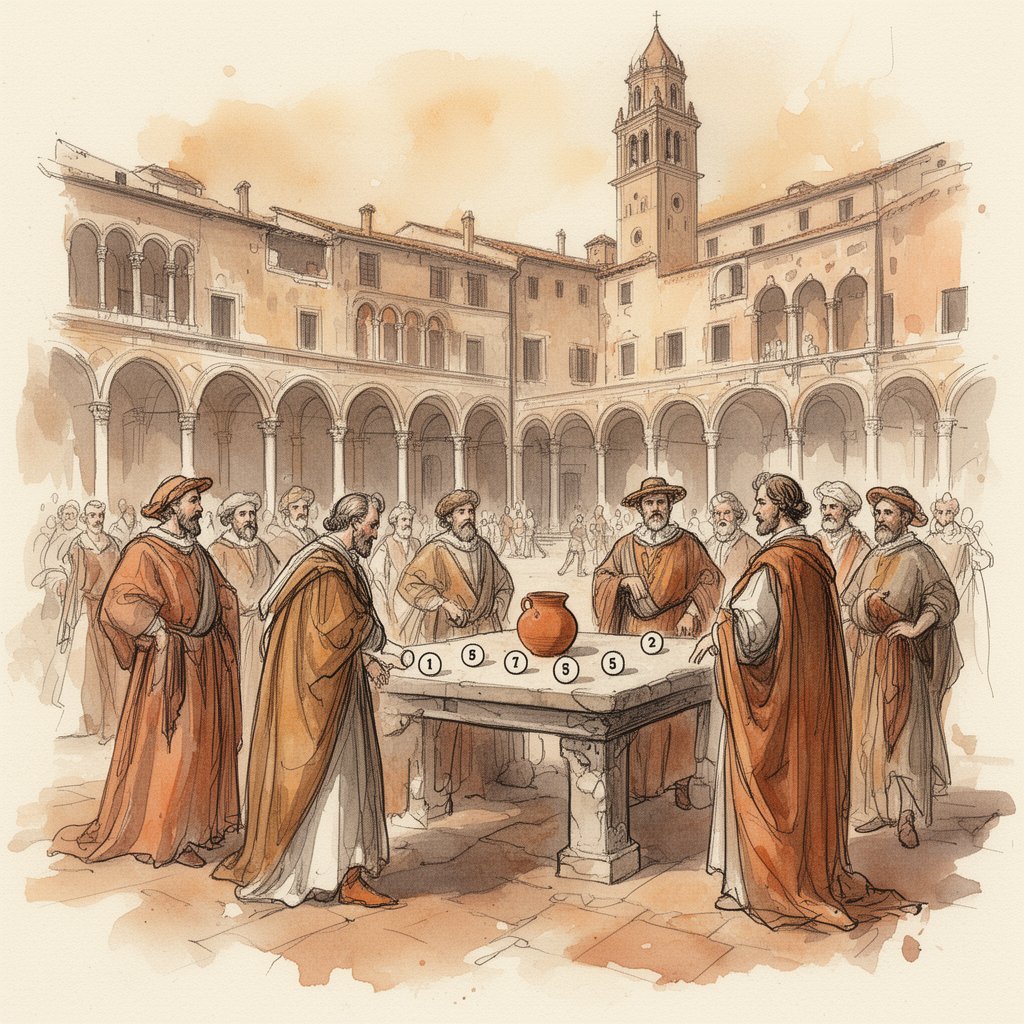
The game begins as "Lo Giuoco del Lotto d'Italia", an Italian lottery. Citizens buy tickets and mark numbers drawn from a pot — the basic mechanic that survives to this day.
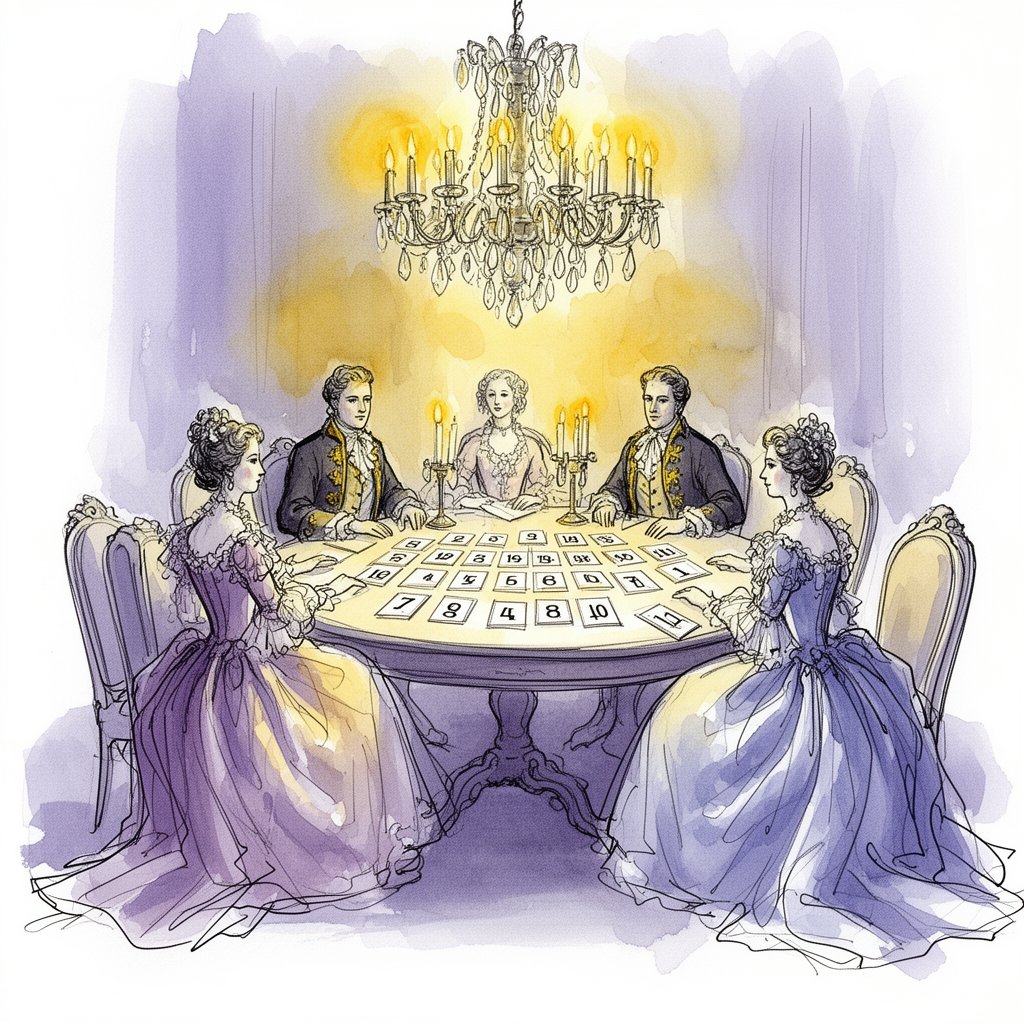
The French aristocracy adopts it as "Le Lotto", adding the 3-row × 9-column ticket format with 27 cells (the same layout Tambola uses).
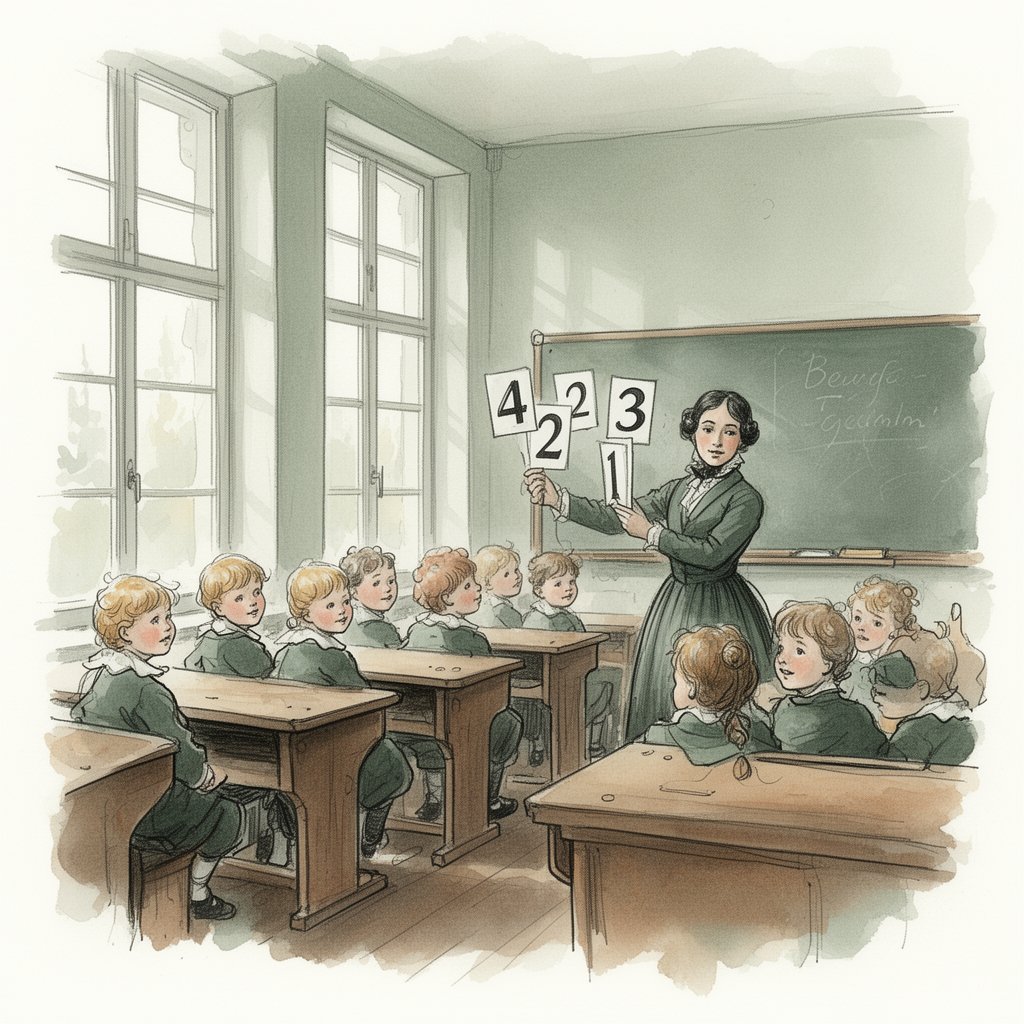
Germans repurpose the game as an educational tool to teach children multiplication, spelling, and history — proving the format works beyond entertainment.
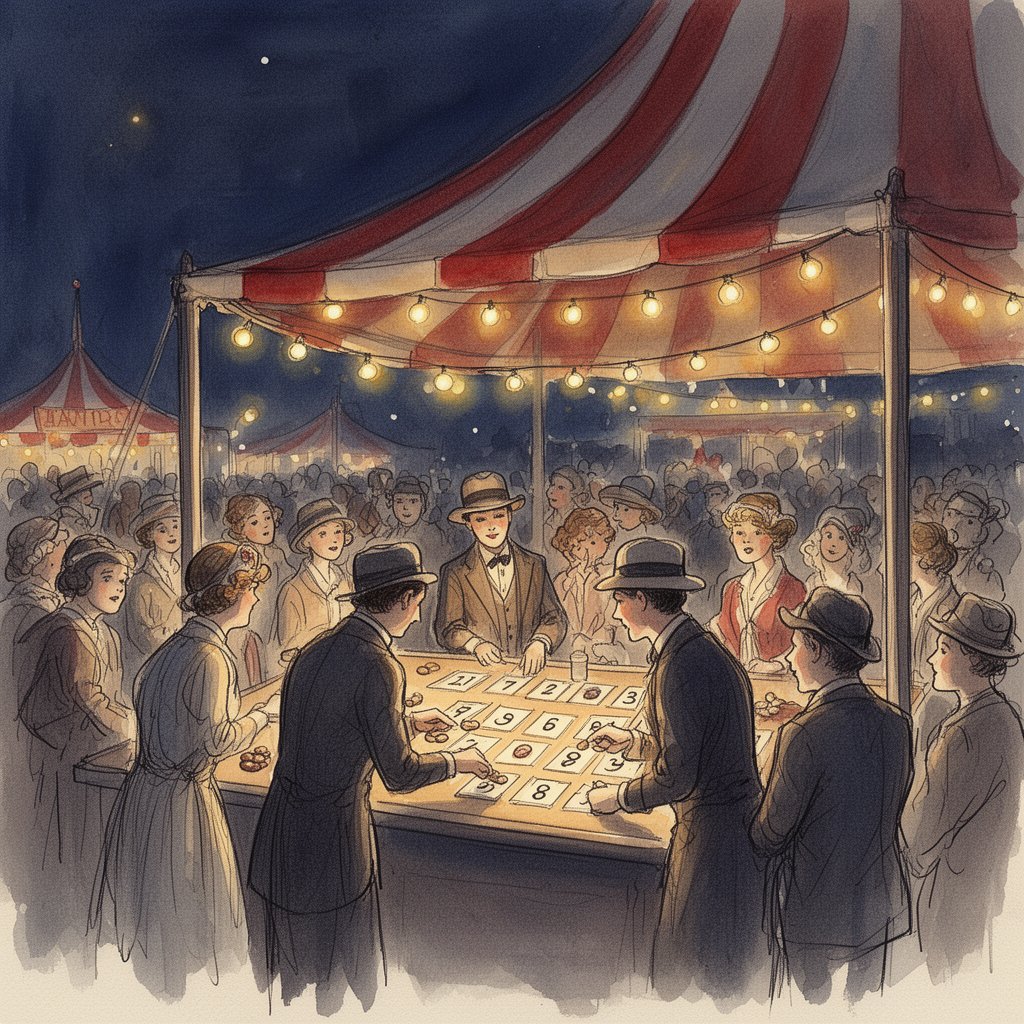
Toy salesman Edwin S. Lowe discovers the game at a carnival in Georgia, where it's called "Beano" (players mark numbers with beans). He renames it "Bingo" and commercialises it across America.
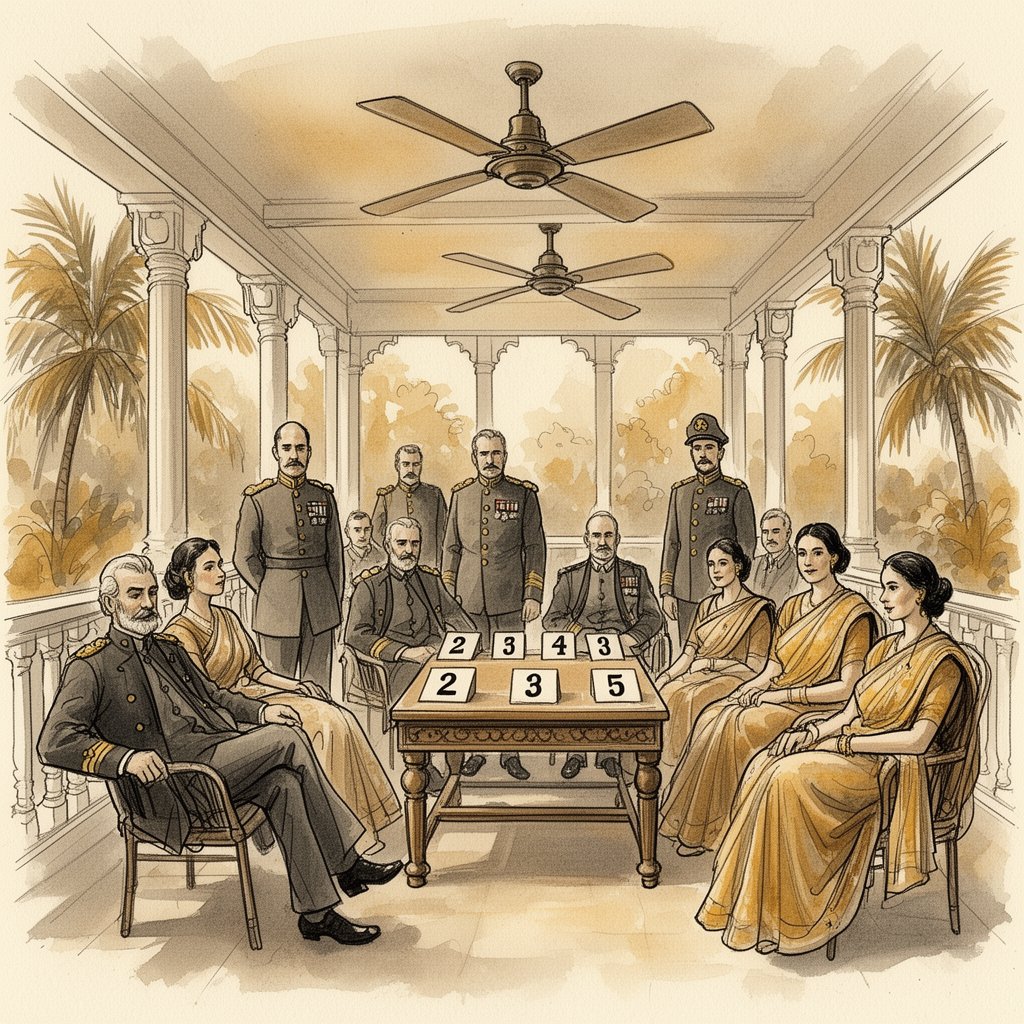
The British bring "Housey-Housey" to India, where it's played in army messes and officers' clubs. Indians adopt it enthusiastically, and it gradually becomes known as Tambola.

India is arguably the world's biggest Tambola-playing nation. From kitty parties in Delhi to Diwali celebrations, the game is everywhere — and now it's online too.
Many Names, One Game
Depending on where you are in the world, you'll hear Tambola called by different names. The rules are almost identical across all versions — the main difference is the ticket format (90-ball vs 75-ball).
Indian Tambola vs American Bingo: Indian Tambola uses 90 balls and a 3×9 ticket (15 numbers per ticket). American Bingo uses 75 balls and a 5×5 grid (24 numbers + 1 free space). The Indian version has more prize categories (Early Five, Lines, Corners, Full House) compared to Bingo's simpler line-based wins.
Popular Variations
The core game stays the same, but creative hosts have invented dozens of twists:
Classic Tambola
Standard 1–90 numbers, 3×9 ticket. Prizes for Early Five, lines, corners, and full house. The default at most events.
Paper Tambola
Played in-person with printed tickets and a live caller. The traditional format for kitty parties and family gatherings.
Themed Tambola
Numbers replaced with Bollywood movies, songs, or trivia questions. The caller reads the clue and players match it on their ticket.
Speed Tambola
Numbers called every 2–3 seconds. Fast-paced and chaotic — rewards quick reflexes over everything else.
Reverse Tambola
Last player remaining without completing a pattern wins. The goal flips: you hope your numbers are NOT called.
Online Tambola
Played on phones/laptops with automatic ticket generation and number calling. Perfect for remote gatherings.
Ready to learn the rules and start playing?
How to Play Tambola →